
Stage History
Burlesque Stage Names: History and Modern Use
Burlesque stage names continue a long variety-theater practice of turning professional identity into publicity and character.
Burlesque has meant parody, theatrical variety, spectacle, comedy, dance, and adult performance at different times and places. This section keeps those meanings in context instead of flattening a long stage history into one feather boa. Guides compare neighboring forms, trace changing stage conventions, and point readers toward archives where scripts, playbills, photographs, and films preserve the evidence.
Burlesque stage names continue a long variety-theater practice of turning professional identity into publicity and character.
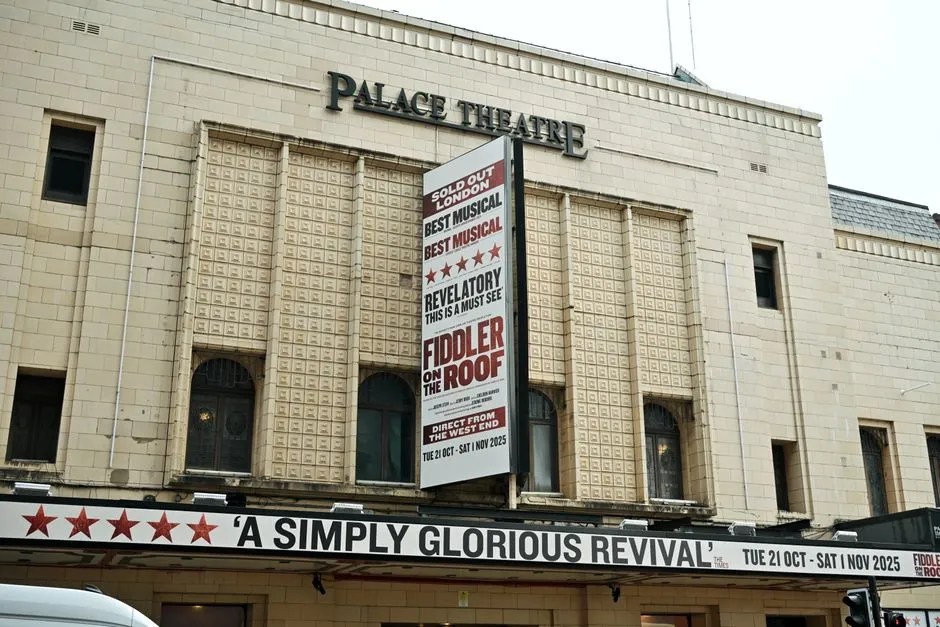
Burlesque is a performance tradition built around parody, tease, transformation, character, and reveal.
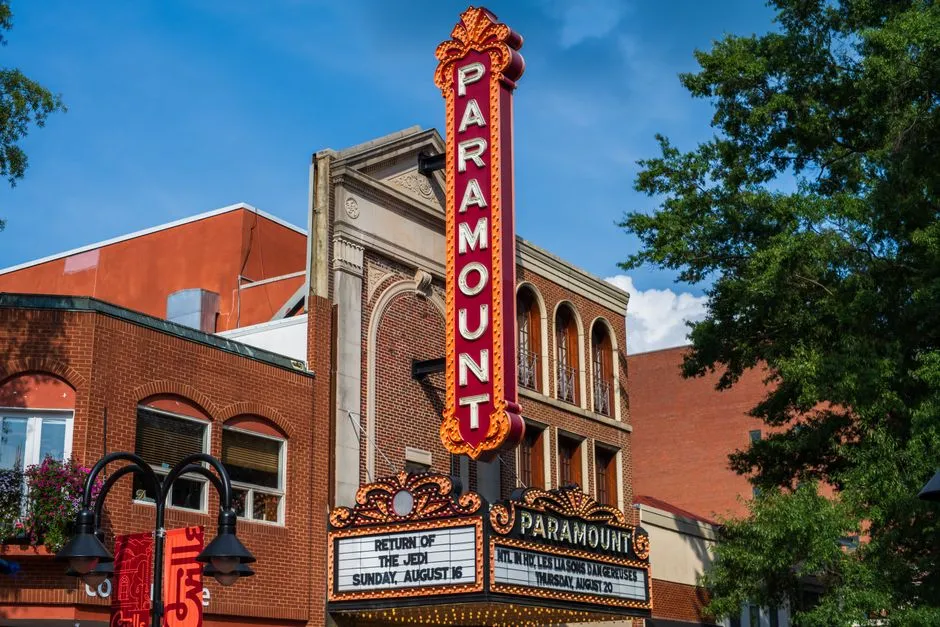
Cabaret developed through intimate nightlife venues that mixed song, speech, comedy, dance, poetry, satire, and experimental performance.
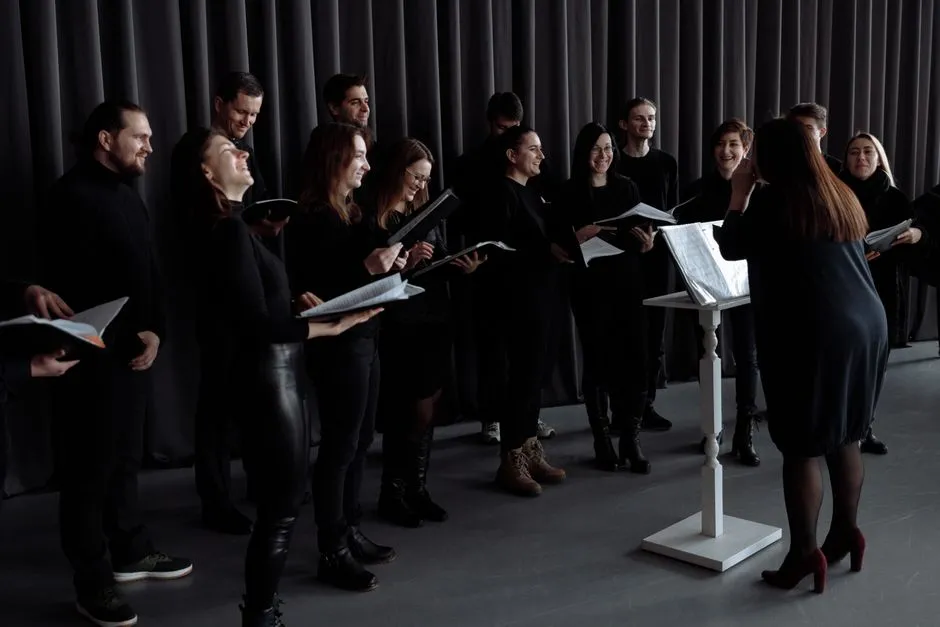
Fan dance grew within the broader world of theatrical dance, music hall, vaudeville, revue, cabaret, and burlesque, where handheld props enlarged movement…
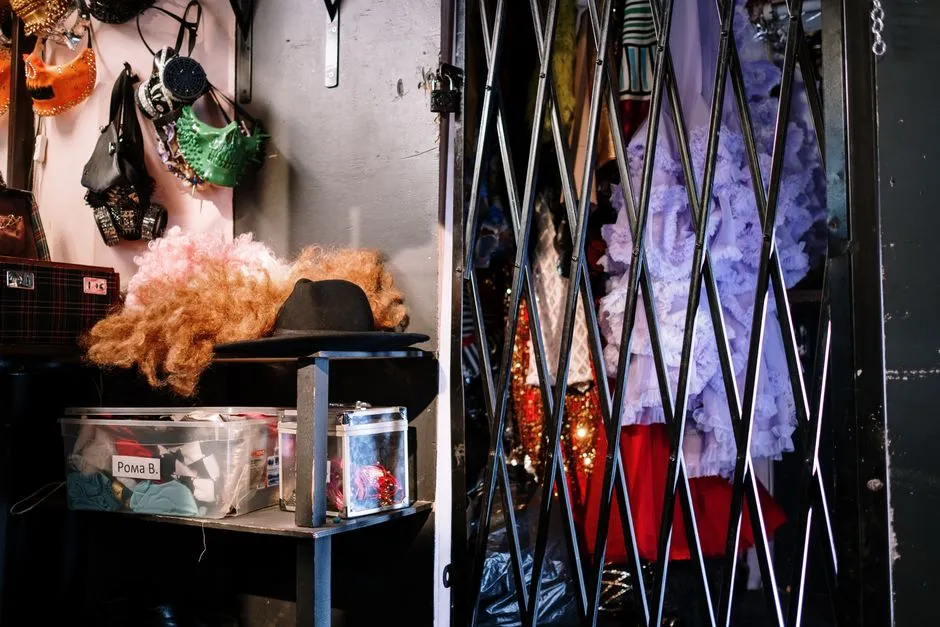
Neo-burlesque is the modern revival and reinvention of burlesque.
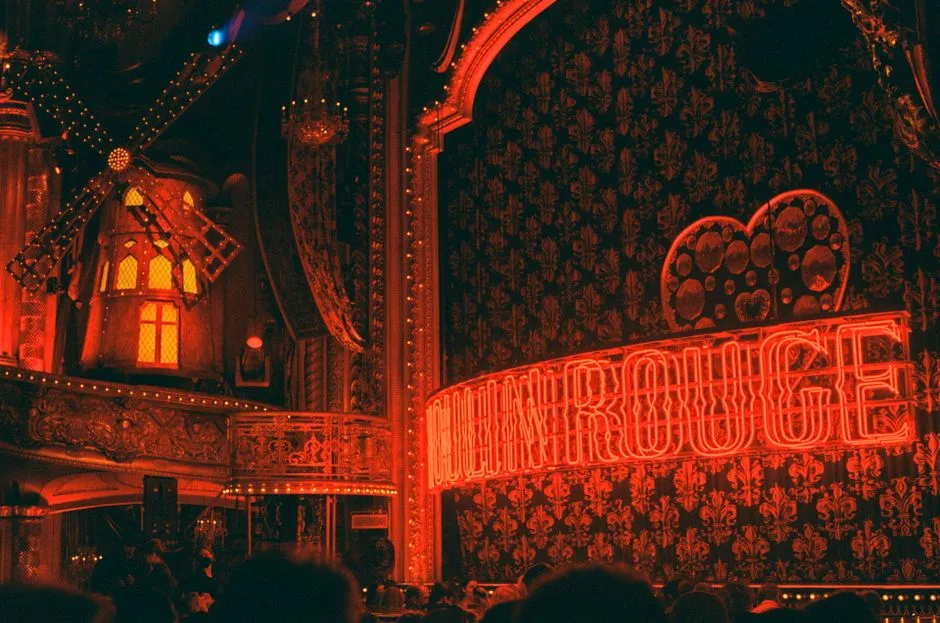
A theatrical revue is a staged collection of songs, dances, sketches, monologues, and visual numbers linked by a theme, company style, or point of view…
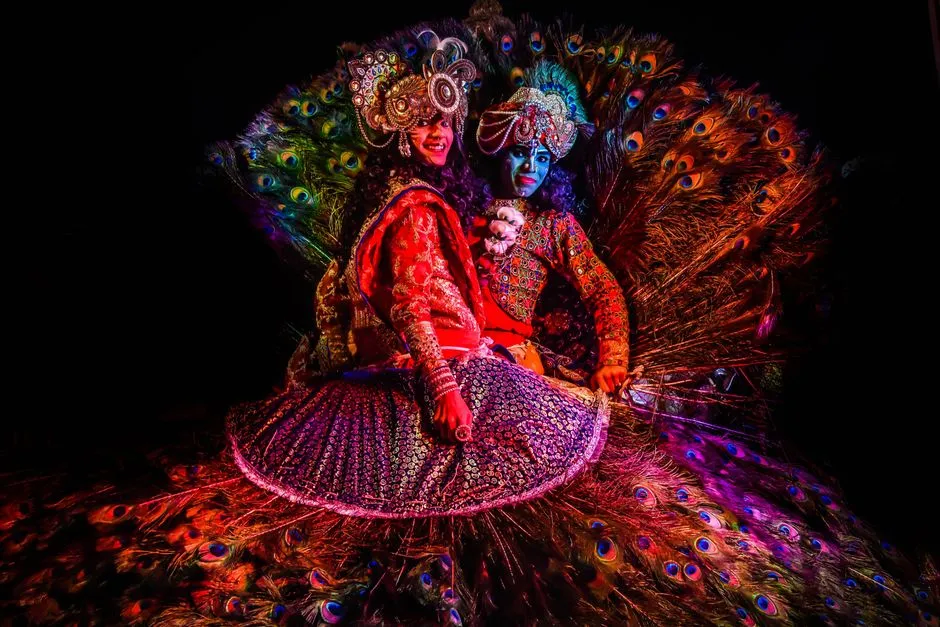
Stage striptease developed across popular entertainment worlds including burlesque, music hall, vaudeville, revue, dance exhibition, and nightlife.

A strong variety-show running order manages audience attention through contrast, pacing, practical resets, and deliberate placement.
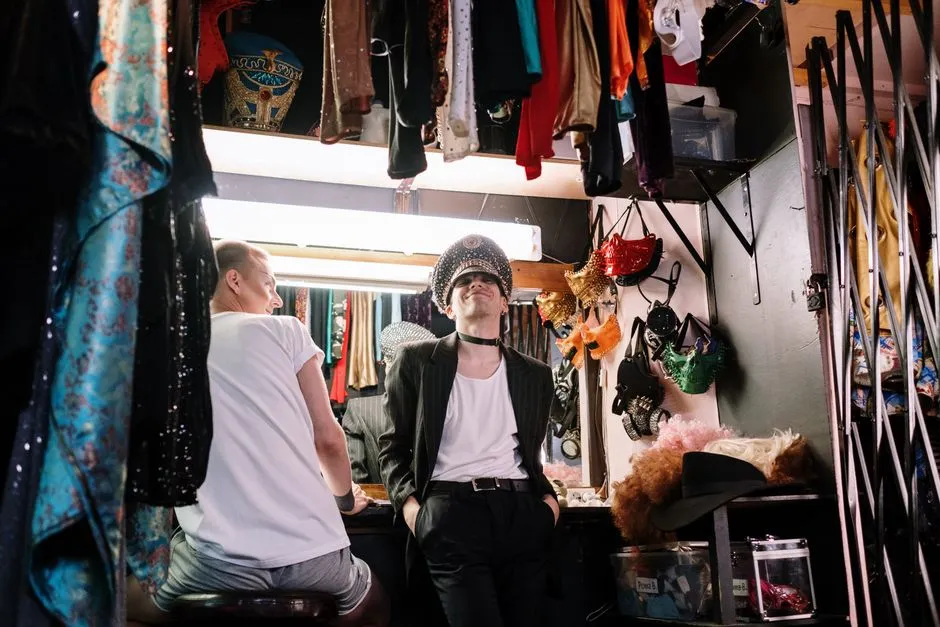
Vaudeville was organized around a bill of separate specialty acts such as comedy, song, dance, acrobatics, magic, and novelty performance.
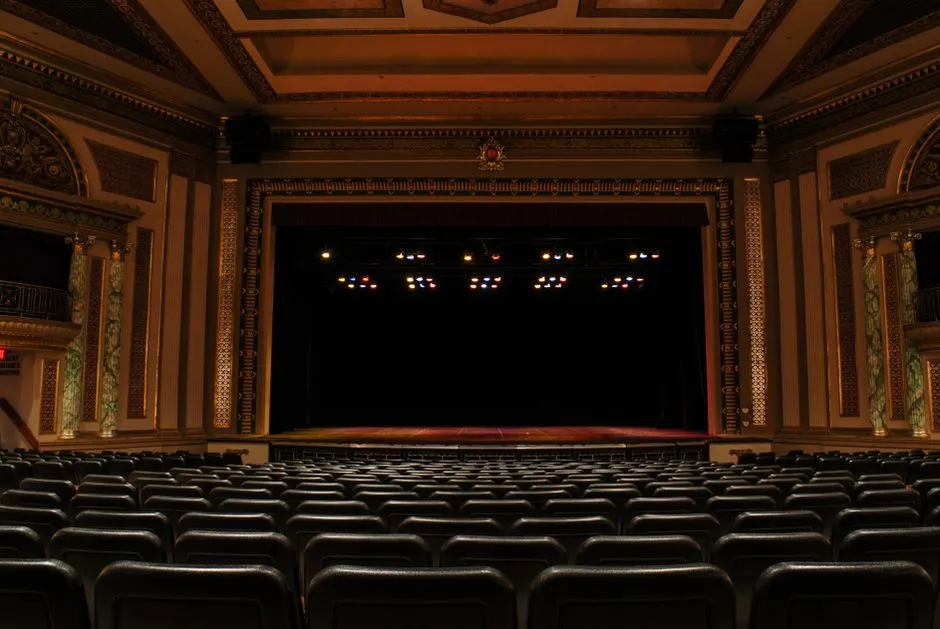
Burlesque is a theatrical tradition that uses parody, exaggeration, character, spectacle, and controlled reveal.