Neo-Burlesque Explained: Revival and Reinvention
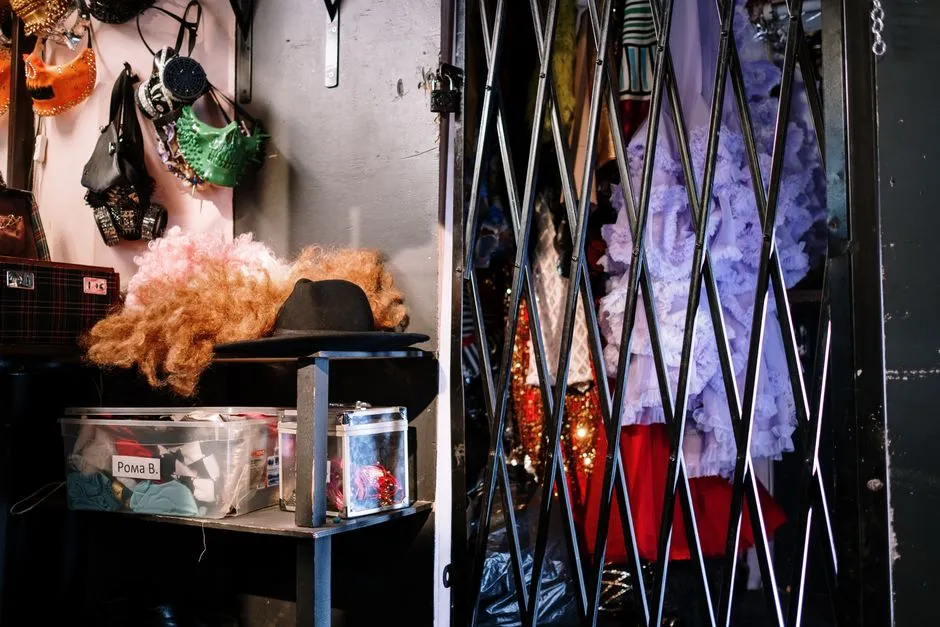
Neo-burlesque is a revival that refuses to sit still
Neo-burlesque is the late twentieth-century and contemporary revival of burlesque performance. It draws from striptease, parody, cabaret, variety, drag, dance, circus, and performance art, then treats the mixture as a starting point rather than a museum label. A classic-glamour act can share a bill with clowning, horror, political satire, or a performer dressed as an emotionally complicated sandwich.
The “neo” signals both return and reinvention. Performers recovered interest in older stage conventions—gloves, fans, bump-and-grind movement, comic tease, elaborate costumes—while expanding the range of bodies, genders, characters, music, and subjects presented as worthy of the spotlight.
It inherits more than feathers
Historical burlesque held multiple meanings. It began as comic parody and later described American variety entertainment that could include songs, sketches, dance, chorus work, comedians, and striptease. Neo-burlesque can reach into all of that. Read what burlesque performance is for the longer definition and striptease stage history for the development of controlled reveal.
The revival also inherits complicated material: stereotypes, unequal billing, narrow beauty standards, and publicity that treated performers as images before people. Contemporary artists may reproduce old glamour, critique it, or build something visibly different. “Vintage” is an aesthetic choice, not a requirement and not a free pass around historical context.
What a modern act can contain
A neo-burlesque act is often short and self-contained, with a readable premise, deliberate music, costume or prop progression, and a closing image. Tease may be central, secondary, or absent. What matters is the theatrical relationship among persona, expectation, transformation, and audience.
Some acts polish every gesture until they gleam. Others use awkwardness on purpose. Some create fantasy; others expose the machinery, joke about the zipper, and make the failed reveal the reveal. The form welcomes quotation because audiences enjoy recognizing a convention just before a performer turns it sideways.
Community and production matter
Neo-burlesque is not only an act style. It also exists through local shows, festivals, classes, producers, photographers, costume makers, stage crews, and audiences. Practices differ among scenes. Expectations about consent, tipping, backstage access, photography, and performer pay should be stated by each event rather than assumed from another city.
For a creator, the most productive question is not “Does this look burlesque enough?” It is “What does the audience understand, and how does that understanding change?” Our guide to creating a burlesque act turns that question into a workable arc.
Revival is a verb
Calling the form a revival should not imply that history disappeared and returned unchanged. Performance traditions persist unevenly, and later artists select what to preserve, discard, exaggerate, or challenge. Neo-burlesque stays alive because it can admire its theatrical ancestors without becoming their tribute band.
Adult-themed performances are for adults. Artists should work within current law, venue policy, negotiated boundaries, and their own physical abilities.