Revue Theater History: How the Format Works
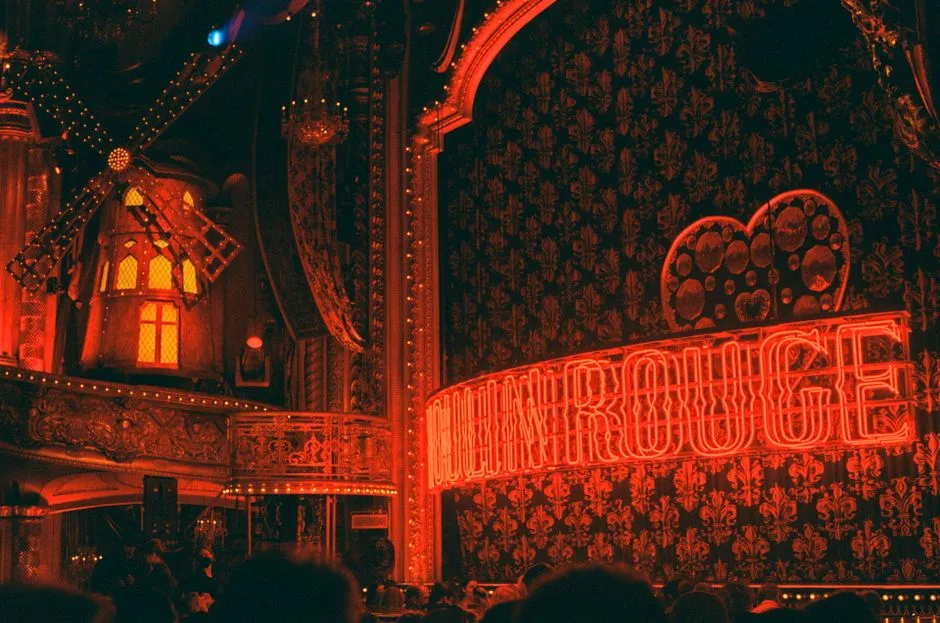
Revue theater is a collage, not one continuous plot
A theatrical revue links songs, dances, sketches, monologues, and visual set pieces around a shared mood or subject. Unlike a book musical, it does not need one story to carry the whole evening. Each number can stand on its own, then hand the audience to the next. Think magazine rather than novel: separate features, one editorial personality.
That flexibility made revue a natural neighbor to vaudeville, cabaret, musical comedy, and burlesque. The forms borrowed performers, jokes, music, and production habits from one another. Labels also shifted by city and decade, so historical playbills are often more useful than rigid modern definitions.
What holds a revue together
The glue may be topical satire, a season, a place, a company style, or simply an appetite for spectacle. An opening number establishes the world. Later pieces vary tempo and scale. A finale gathers the cast or returns to an earlier idea so the evening feels concluded rather than abandoned in the lobby.
Contrast is essential. Three torch songs in a row may all be splendid, yet together they can feel like one very long velvet curtain. Producers traditionally alternated comedy, dance, ensemble work, solo turns, and scenery-heavy numbers to refresh attention. Our guide to variety-show running order explains that pacing logic in practical terms.
Revue and variety are close, but not identical
Vaudeville bills commonly assembled separately booked acts. A revue was more likely to be created or shaped as a unified production, often with recurring writers, designers, performers, and a recognizable visual concept. That distinction was never perfectly sealed. Theater history is full of doors, and performers kept using them.
Burlesque revues could combine comic sketches, dance, songs, chorus work, parody, and adult tease. Cabaret programs could be smaller and more intimate while using the same collage principle. Compare the surrounding traditions in vaudeville versus burlesque and our cabaret history.
Why the format still works
Modern sketch shows, themed concerts, drag revues, dance showcases, and mixed variety nights all use revue mechanics. A contemporary producer may not print “revue” on the poster, but the structure is recognizable: independent numbers, curated contrast, recurring voices, and an overall point of view.
For performers, the format rewards clarity. A short act must introduce its premise quickly, develop it, and leave on a strong image. For producers, it offers freedom to change one number without rebuilding an entire story. The danger is randomness. A pile of good acts is not automatically a good evening; sequence, transitions, and tone make the pile into a show.
Read the bill as evidence
When researching an old revue, look for programs, sheet music, scripts, costume designs, reviews, and production photographs. A famous title alone rarely tells you how the night actually moved. The Library of Congress notes the importance of musical revue to early twentieth-century scenic and costume design, a reminder that revues were built to be seen as well as heard.