
Performance Craft
How to Build a Stage Persona That Reads Clearly
Build a stage persona by giving the character a clear desire, obstacle, and three playable qualities.
A memorable act needs more than a costume and excellent intentions. These guides cover the repeatable craft: an idea the audience can read, movement with purpose, music that supports change, and props that survive rehearsal. Safety stays in the room. Performers should adapt material to their bodies, skill, venue, and local rules, and use qualified instruction for demanding movement or technical effects.
Build a stage persona by giving the character a clear desire, obstacle, and three playable qualities.
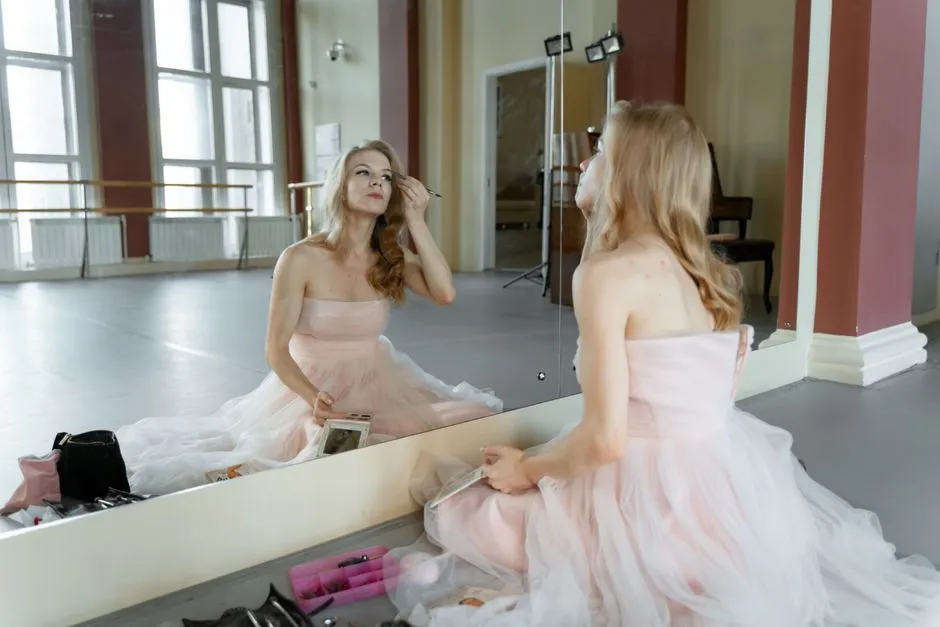
Use choreography counts by mapping the track before assigning movement.
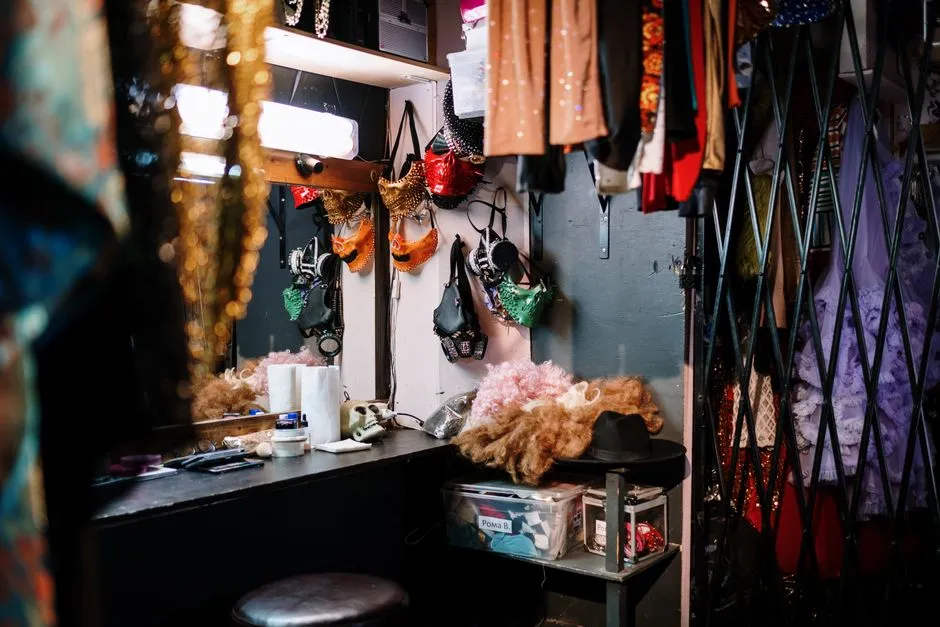
Choreograph a burlesque prop by giving it a clear dramatic job, learning its physical behavior, and assigning counts to every pickup, manipulation, hand…
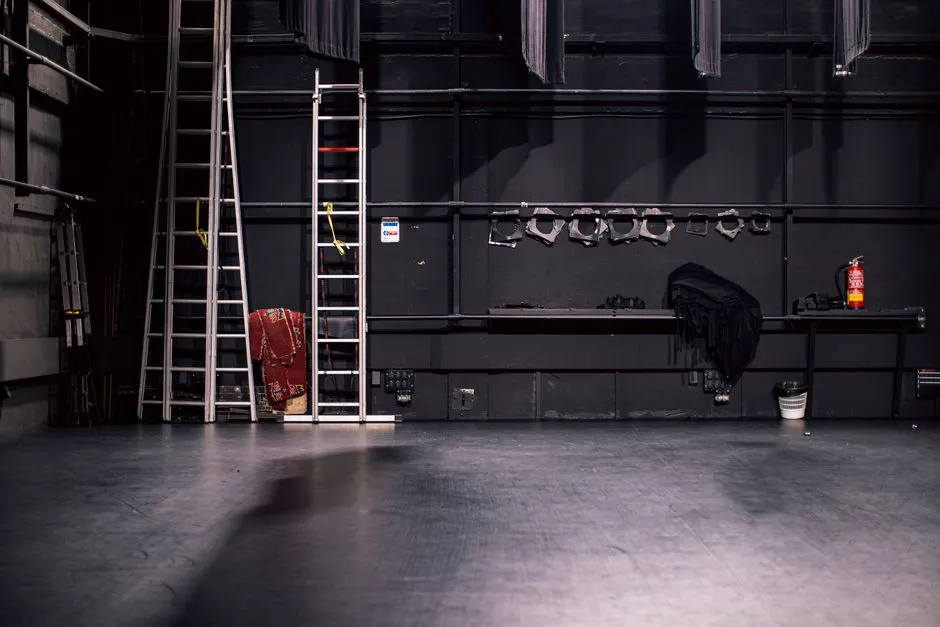
Rehearse a burlesque act in layers: structure and route first, then music, character, costume, props, technical cues, and venue conditions.
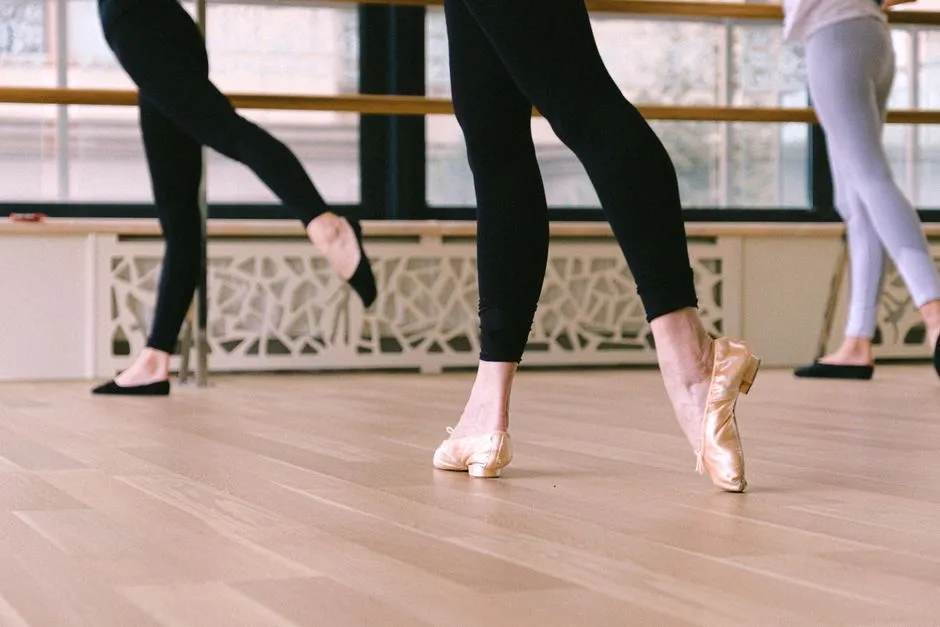
Plan a costume quick change as a repeatable sequence: locate the fastening, release it, clear the garment from every layer, display or transform it, and…
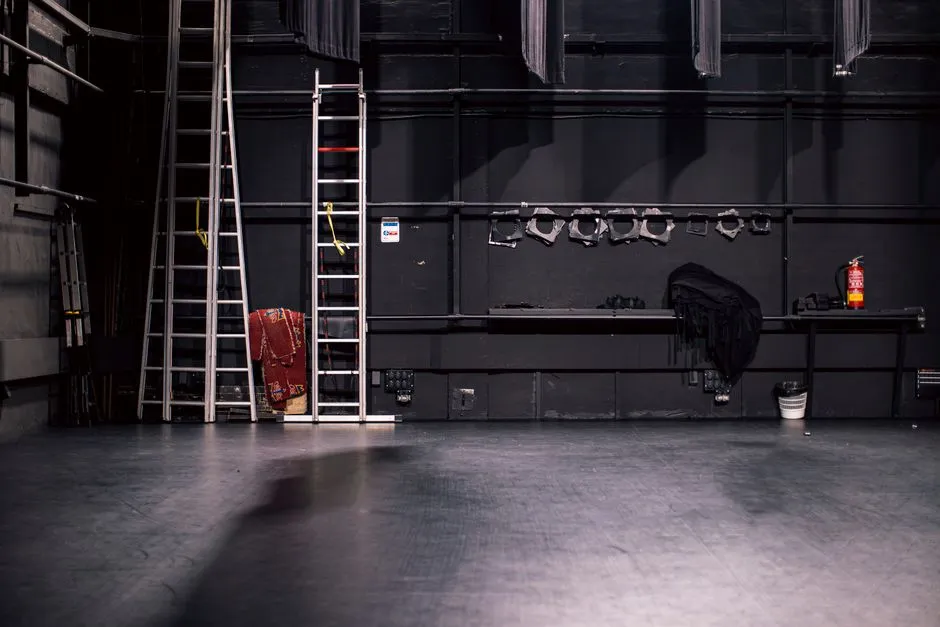
Edit music for a stage act by mapping the recording's sections and the act's turning points, then cutting where rhythm, harmony, phrasing, and ambience…
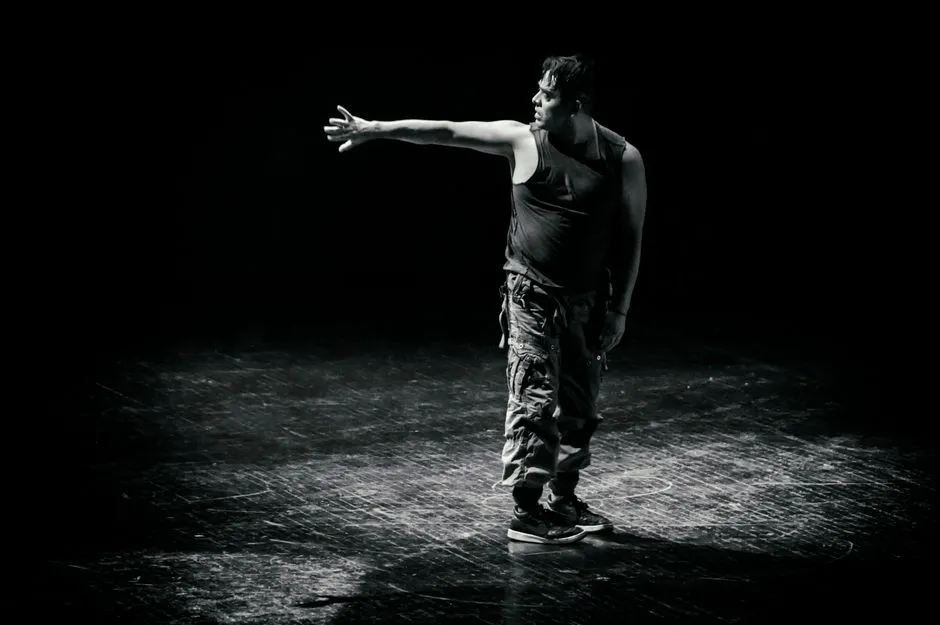
Create a burlesque act by defining one visible change, then shaping it into a beginning, development, and payoff.
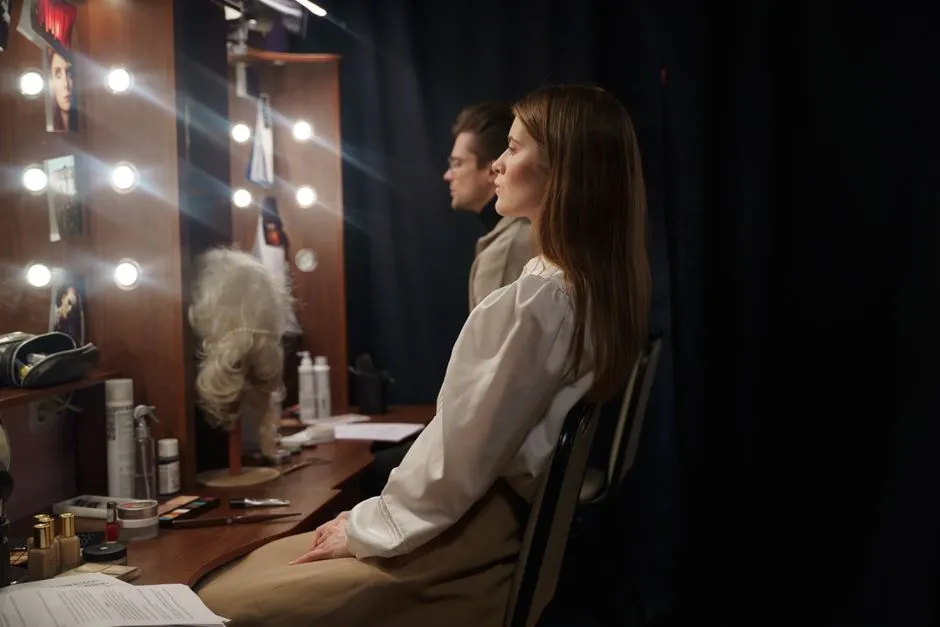
Host a burlesque show by opening with clear audience, photography, consent, and event rules; introducing each performer with their exact approved name,…

Test stage makeup under lighting similar to the venue, with costume and hair complete, then view it from expected audience distances and angles.
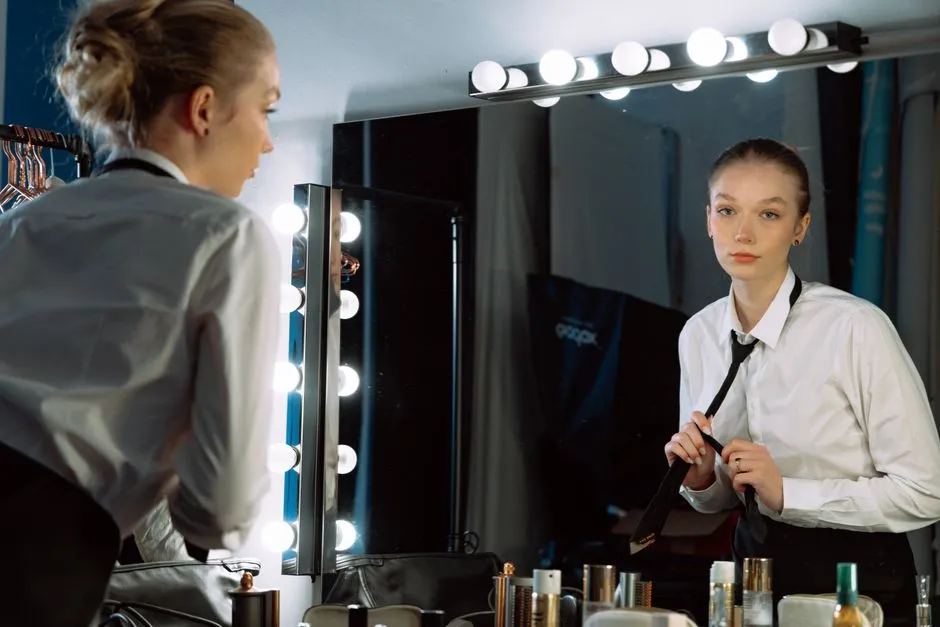
Before performing, identify the responsible show contact, walk every entrance and exit, inspect floors and level changes, mark prop and costume landing…